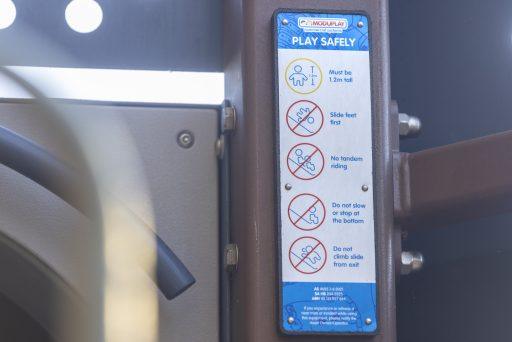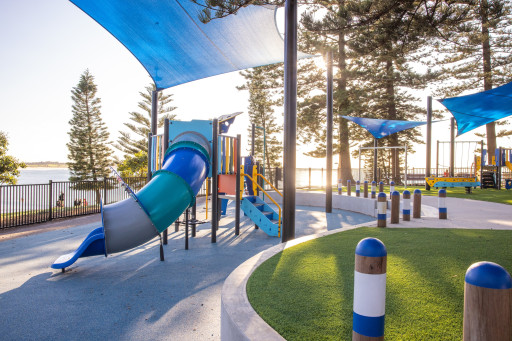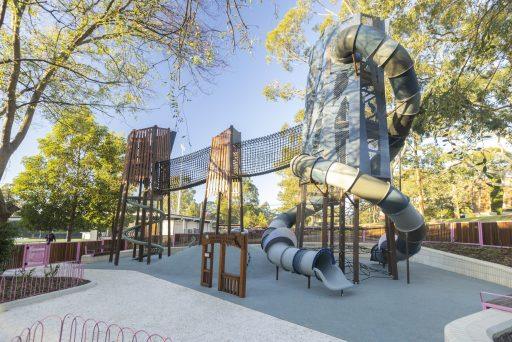
Playground Safety Signage at Somerville Park
See how Moduplay developed playground safety signage at Somerville Park, bringing bespoke design and giant tube slide guidance together at...
Australian standards for playgrounds give designers, manufacturers, councils and site owners a common framework for safer equipment, surfacing and ongoing operation. They help reduce foreseeable hazards while allowing children to experience challenge, movement and age-appropriate risk. Anyone researching playground safety regulations in Australia also needs to understand how technical standards relate to legal and site-specific requirements. Standards Australia publishes technical standards, while governments, councils, education systems and other authorities may reference them through legislation, policies, procurement requirements or approvals. For a commercial playground, compliance starts before equipment reaches the site. It influences planning, equipment selection, spatial clearances, surfacing, access, engineering, manufacturing, inspection and long-term maintenance.
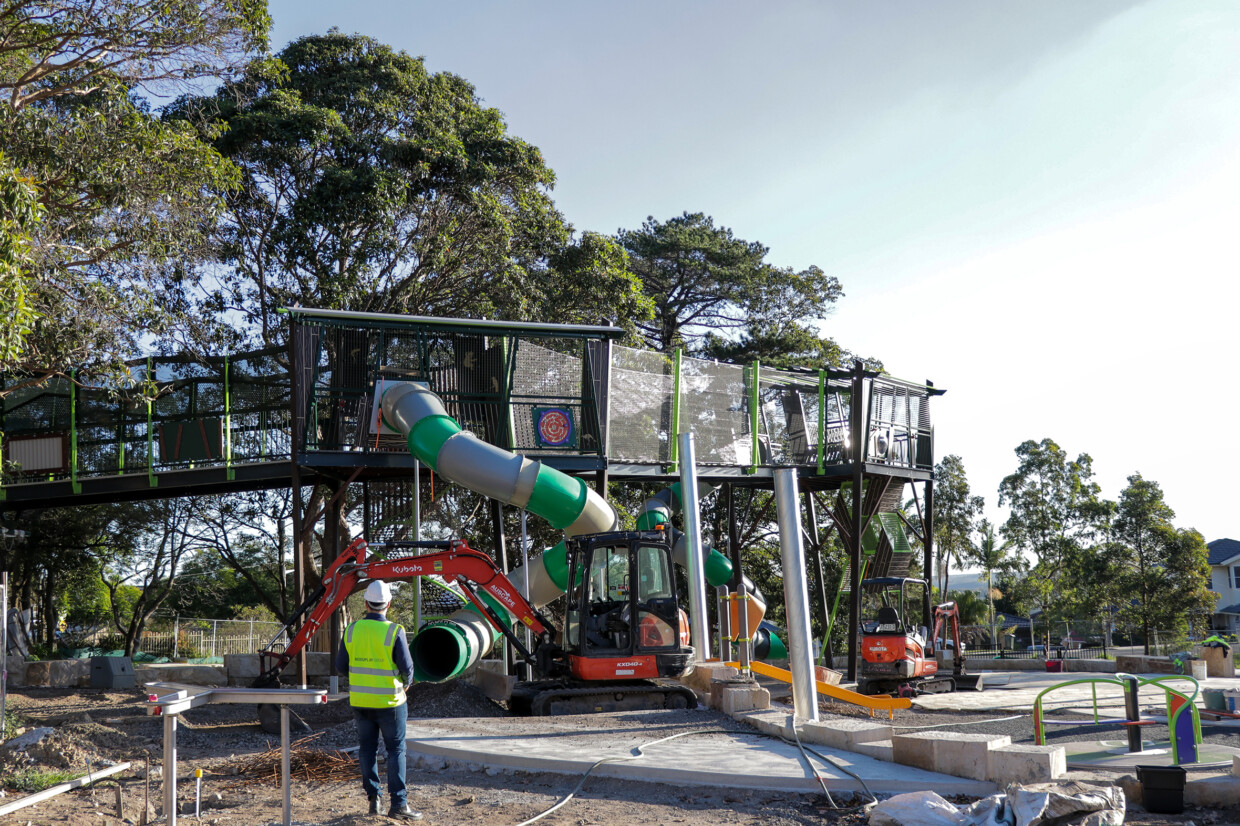
Australia’s playground safety framework aims to reduce serious injury while preserving the challenge that supports active play, independence and learning. Standards Australia updated the AS 4685 series to clarify requirements around playground equipment, height and free fall and to reflect Australian industry and community needs.
The standards give manufacturers, designers, specifiers and playground operators a consistent technical reference. They also help project teams identify foreseeable hazards early, before equipment enters manufacturing or a site opens for use.
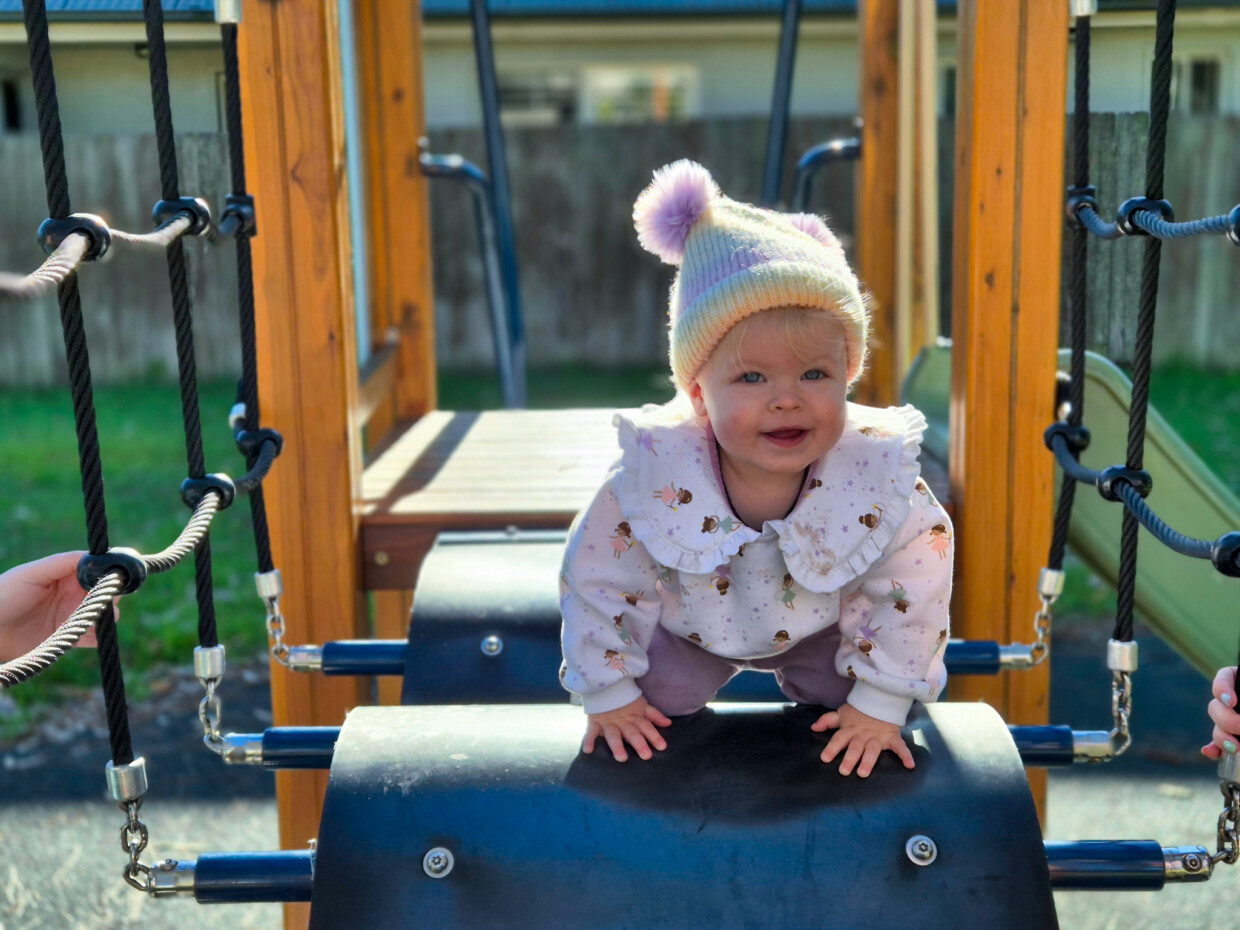
The AS 4685 series forms the main technical reference for playground equipment and surfacing. Parts 1 to 6 cover general requirements and specific equipment types.
Other standards also cover important parts of playground planning, use and access.
The standard or combination of standards that applies to a project depends on the equipment, surfacing, activities and site requirements involved.
Australian Standards provide national technical guidance, but the compliance obligations around a playground can vary according to state or territory law, local council requirements and the type of site.
For each playground, Australian Standards may also enter the project through council procurement requirements, development approvals, asset management policies and contracts. Childcare services operate under the National Quality Framework, which adds requirements for safe, suitable and well-maintained physical environments. Site owners and project teams should check the requirements that apply to their location and sector instead of treating council rules as the only layer of compliance.
Playground standards in Australia cover far more than the strength of the equipment. They also address the space around equipment, potential fall areas, surfacing and hazards that could trap a child or their clothing.
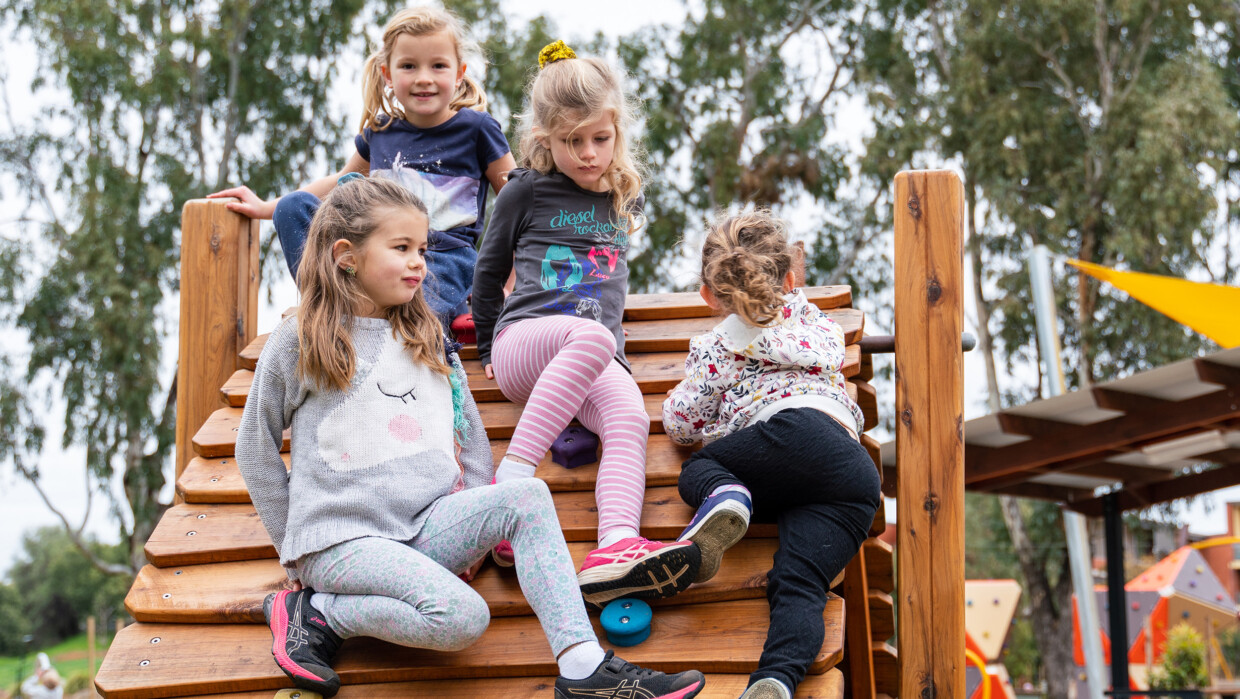
Minimum space includes the equipment space, falling space and free space required for safe use.
Free height of fall measures the maximum vertical distance a user could fall from the equipment. This measurement determines the type and depth of impact-absorbing surfacing the play element requires.
The impact area covers the surface where a user could land after a fall. The project must provide appropriate impact attenuation for the relevant fall height and equipment.
Entrapment hazards include openings or spaces that can catch a child’s head, neck, body, fingers, feet or clothing. Designers and manufacturers need to assess these hazards during the equipment design and testing process.
These requirements help designers retain challenge and movement while reducing hazards that children cannot reasonably identify or manage during play.
Standards affect decisions throughout a playground project. They influence the site layout, equipment selection, access, surfacing, engineering and manufacturing instead of appearing as a final check at the end.
A project starts by defining who will use the playground, the site conditions, the available space and the activities the client wants to support. Early planning should also account for age groups, user numbers, access, surfacing, maintenance and the relationship between different play elements.
Moduplay’s playground project planning guide gives project teams a practical framework for setting objectives, assessing the site, planning the budget and identifying safety requirements before design work progresses.
The design stage turns the project requirements into a clear layout. Designers need to consider equipment spacing, circulation, fall zones, surfacing, visibility, access and how children move between activities.
Moduplay’s playground design guide explains the main design factors that shape a play space, including site conditions, age groups, safety, accessibility and equipment selection.
Projects that need stronger accessibility outcomes can also use the guidance on inclusive play areas when considering pathway access, ground-level activities, sensory options and shared play opportunities.
Engineering reviews help confirm structural requirements, dimensions, clearances, connection points and equipment-specific safety requirements before manufacturing begins. The relevant Australian Standards also guide testing requirements for different equipment types.
Moduplay designs, engineers and manufactures commercial playground equipment in Australia. Keeping these functions closely connected helps the team carry project requirements through from the approved concept into manufacturing documentation and production.
Compliance does not end when a playground opens. AS 4685.0:2017 covers development, installation, inspection, maintenance and operation, so owners and operators need an ongoing safety and maintenance plan.
Routine checks can identify wear, damage, loose components, surfacing issues and emerging hazards before they create a larger risk. Operational and more detailed inspections also help owners track the condition of equipment over time. Maintenance records give councils, schools, childcare providers and commercial operators a clear history of repairs and safety actions.
Moduplay encourages regular playground inspections and can refer clients to reputable companies that specialise in playground safety audits and independent inspection services.
A safer playground begins with clear project requirements, accurate technical information and early consideration of the standards that apply to the equipment and site. Good planning reduces late design changes and gives designers, manufacturers, owners and operators a clearer basis for managing safety throughout the life of the playground.
Moduplay can support the design, engineering and manufacturing stages of a commercial playground project and help project teams understand which product information and compliance documentation they need.
Get design inspiration, business tips and new product alerts straight to your inbox with our Moduplay Newsletter, the Playground Press once a month.
The AS 4685 series covers playground equipment and surfacing, including general safety requirements and specific requirements for swings, slides, cableways, carousels and rocking equipment. Other standards cover areas such as playground surfacing, ongoing operation and accessibility.
Australia does not have one national playground regulator that handles all playground sites. Responsibility depends on the location and type of facility, with councils, state and territory authorities, education or childcare regulators, asset owners and other relevant bodies applying the requirements that govern their sites.
AS 4422 (Int):2022 covers playground surfacing specifications, requirements and test methods. AS 4685.0:2017 covers development, installation, inspection, maintenance and operation of playgrounds and playground equipment.
Australian standards for playgrounds require inclusive design through specific measurements and features. Requirements include proper placement of pathways, height requirements for each equipment, and free height of fall (FHoF) of each playground component. These ensure the playground serves every child across physical, cognitive and sensory ability levels.
Just Launched

The world of Moduplay has just been unlocked. One login across the Moduplay Group, helping you find what you need faster than ever.
 One login across our websites
Pricing on the Moduplay and Kaebel Leisure websites
Resource downloads
Build your own designs on Playfigurator
More coming soon!
Approval criteria applies. UrbanFiT & Playground Parts SSO experience launching soon.
Before You Continue
Register for a Moduplay account to see pricing on 500+ Australian Made products, and build your quote in seconds.
Pricing on 500+ Australian Made products
One login for the Moduplay Group websites
Build your own designs on Playfigurator

Enter your email to sign in or create an account.